Anxiety

Online anxiety counselling across BC — a body-based approach with Todd Blattner, MA, CCC.

Your body is telling you: something isn't safe.
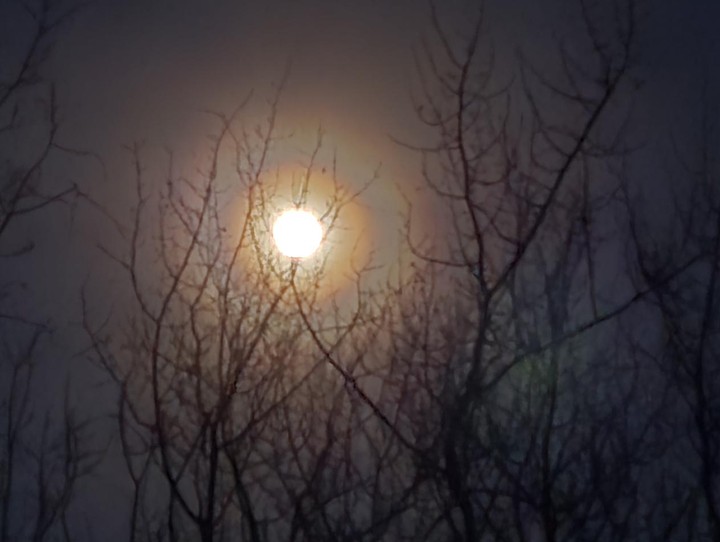
Moon glowing behind bare winter branches

How does your body react to this image? Tension? Relaxation? What does this tell you about your perception?

You feel a subtle sense of threat all around you, a vague foreboding that something bad is going to happen. Maybe someone doesn't like you, maybe you're going to do something wrong, maybe it's just all too big, too loud, too much.

It's hard to name, and frustrating because there often isn't an identifiable reason. Whatever is actually happening, it is your perception of it that matters, and your body has already decided how to react.

It may be reacting in some of these ways:
Symptoms like these mean the body is running its threat response.

Close-up of still water with a floating leaf

Still water becomes stagnant. Blocked energy becomes symptoms.

Note: Anxiety isn't the only possible cause of these symptoms. It's a good idea to rule out other explanations with your doctor as well.

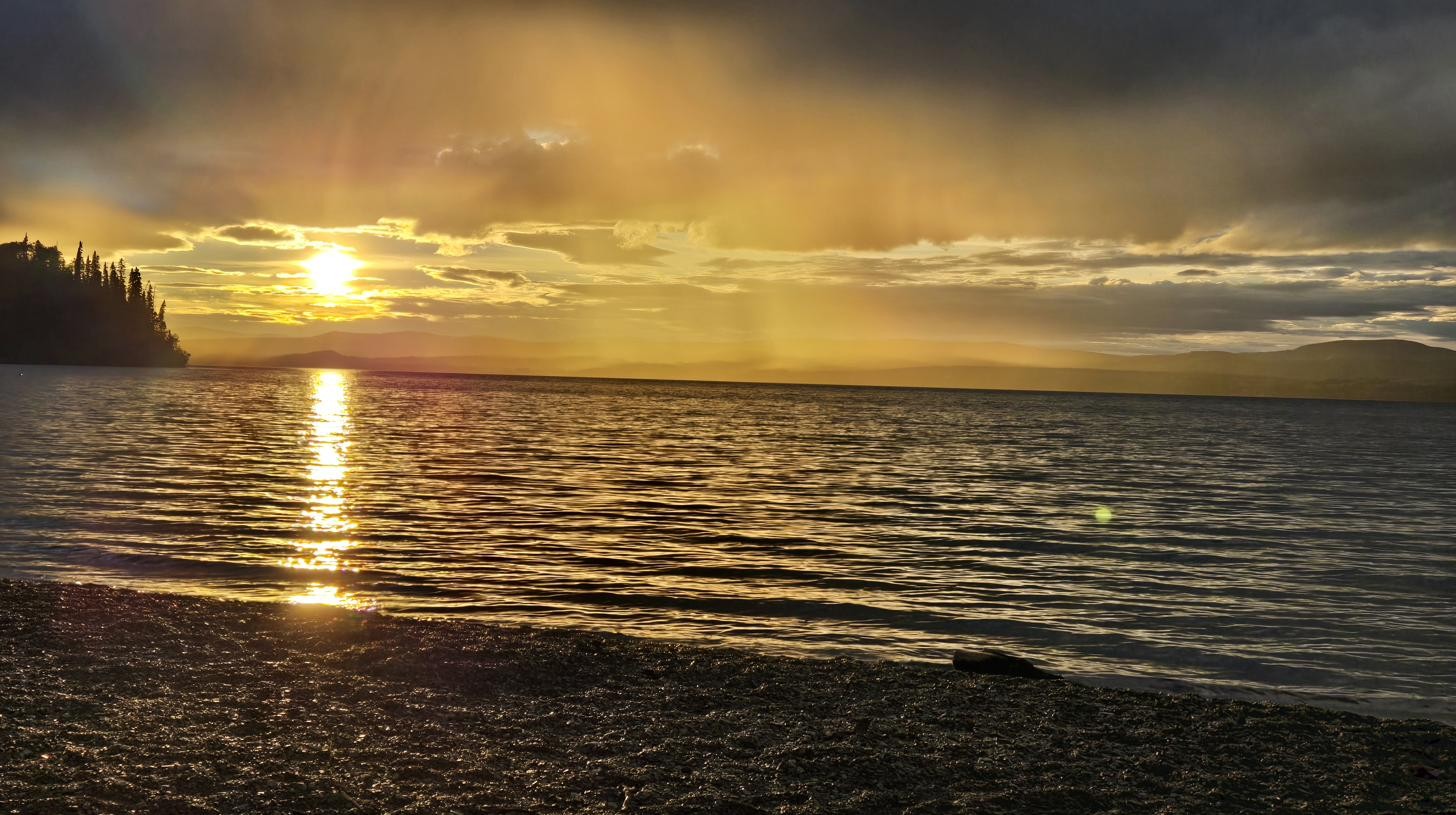
Storm clouds and golden sunset light sharing the same sky over a lake

Impending storm, or peaceful sunset? Your body decides first. But you can train your nervous system to respond differently.

The symptoms can be poison — or medicine.

They are poison when they are unconscious.

They are poison when they are feared.

They are poison when we fight them — or run from them.

But,

They are medicine when we learn they don't own us.

They are medicine when we learn they are only old, repeating loops.

They are medicine when we can sit with the discomfort, and still know we are okay.

The way home is through.

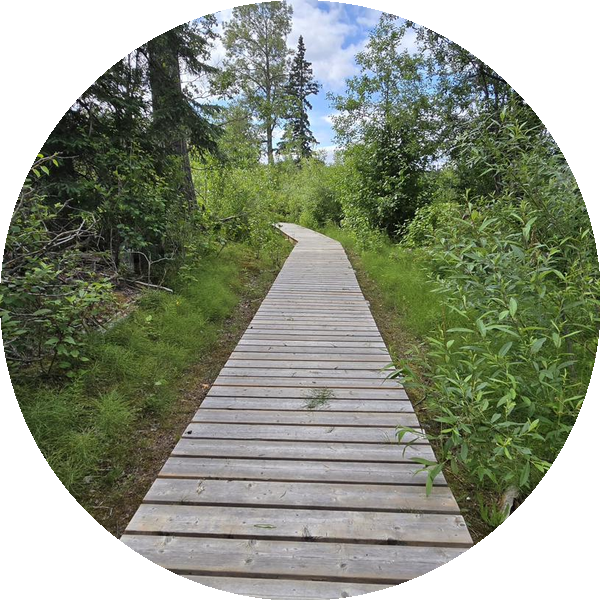
Wooden boardwalk trail leading toward open sky

This is the path. You are the container, not the symptom. Expand the container. Come home to your Self. This is Humaning. This is what opens the door for change, growth, healing, and safety.

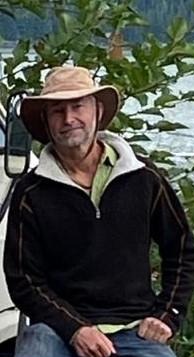
Todd Blattner at home

If something here has touched a thread in you, there's a next step when you're ready — whatever size feels right.

There's no wrong door. One step at a time will take you to where you want to go.

How I Work

What happens in the work

Like a naturalist, studying a rare animal, we will learn to track anxiety in the body. Learn its history and its habits. Learn what feeds it, what makes it grow and gives it strength. And, while we do this, we will be learning to be still, to be silent, to observe, to find a safe place and just wait and watch.
As we learn about the animal of anxiety, we will also be learning more about ourselves. What does safety feel like? Where does it live? What encourages it? We may also begin to follow the tracks of the animal, deep into the forest where our early memories stay, and learn to bring self-compassion into the present feeling-sense of these early memories.
With patience, with compassion, as we build our sense of safety, we begin to re-discover our Self. From the security of our safe places and the strength of the light of Self, we can face the animal of anxiety more directly. Now we have more tools to tame its wildness. Now we are learning that it cannot harm us. Sometimes, we can learn to know it in new ways and give it new names: Excitement, protector, exuberance… the same animal can wear many names depending on how we perceive it.
Continuing the journey, using the tools, we build the habits, the discipline, the intention to continue deepening our self compassion. To continue opening our hearts. To continue learning the incredibly simple, incredibly peaceful, incredibly elusive skill of simply letting everything be as it is.
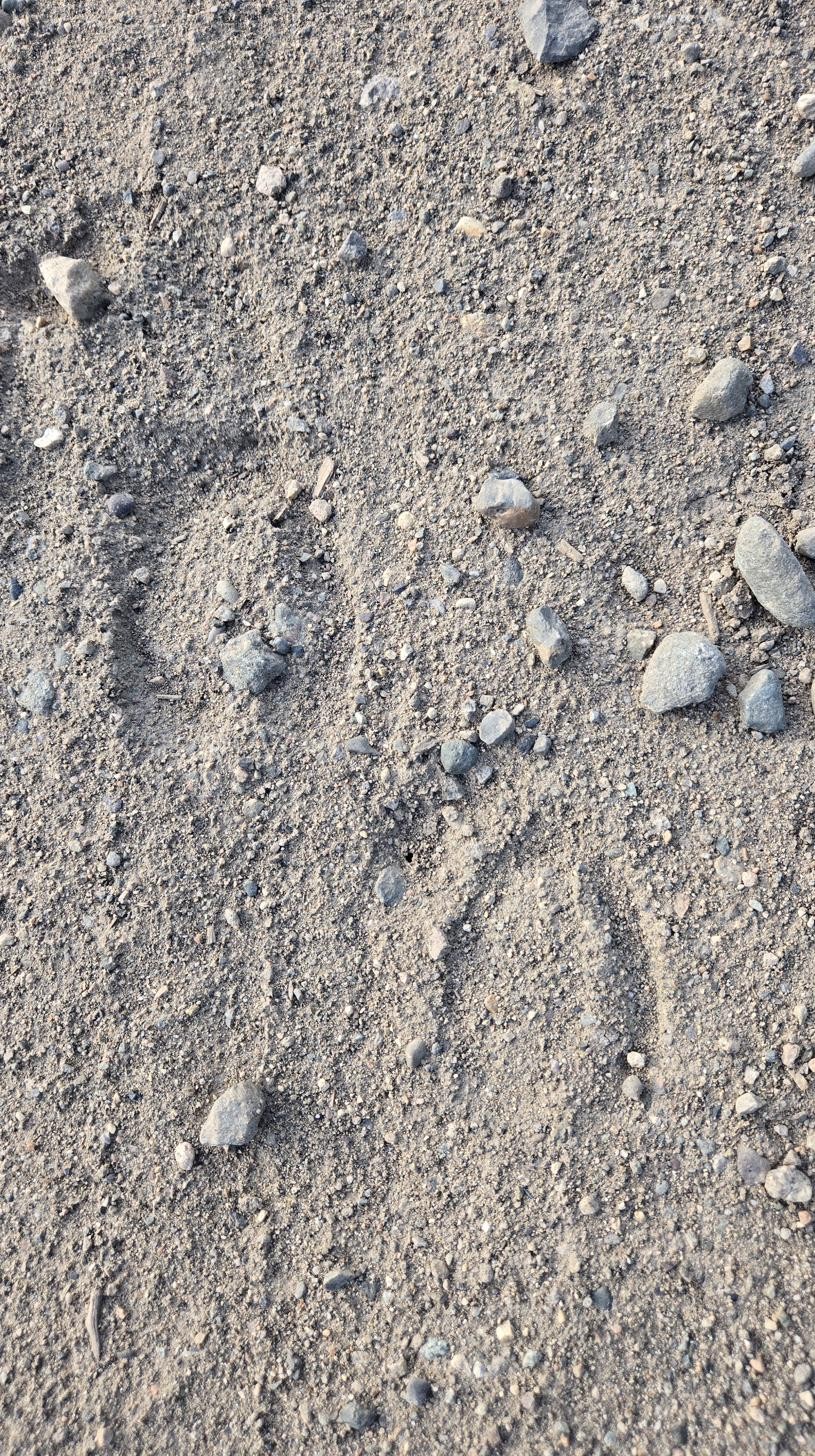
Two animal tracks in gravel and dirt
Moon in a dark sky, tight crop

Coming home to the fullness of Self is the journey of Humaning.
Anxiety can feel like the dark,
Squeezing, trapping and suffocating.
The body can forget how to feel safe.
Re-discover the light of inner safety;
Re-train your nervous system and perception;
Experience how the dark cannot exist when there is light.

How I Work

The tools we might use

IBP draws on depth-oriented traditions — Rogerian, Gestalt, Jungian, somatic — to work with the whole person: sensation, breath, posture, and emotion together.

For anxiety, that whole-person lens matters, since anxious patterns live in the body as much as the mind.

I am certified in IBP.
All emotional responses register somewhere in the body as sensation, often below conscious awareness.

For anxiety, learning to sense and follow those sensations — rather than being swept up by them — builds the bridge between the thinking mind and the reacting one.

Somatic awareness is a foundation stone in my approach and in my training.
CBT works from a simple idea: thoughts, feelings, and behaviours feed each other, so shifting one shifts the others.

For anxiety, that means learning to catch the automatic worry-thoughts as they arise, test how true they actually are, and practice responding differently — breaking the loop before it builds.

CBT is a foundation stone in my training, and a powerful tool for working with the mental and behavioural aspects of anxiety.
EMDR uses bilateral stimulation — eye movements, taps, or tones — to activate the brain's natural healing system.

For anxiety, this can help when the pattern traces back to specific overwhelming experiences, reducing their charge and shifting perspective. It can also help reprogram our responses to specific triggers.

I am certified in EMDR.
IFS views the mind as a system, or family, of inner parts, each carrying its own emotions, beliefs, and intentions.

For anxiety, this often means building a relationship with the protective or worried parts, rather than fighting them, so they can soften.

I work from an IFS-informed perspective.
Flash allows the emotional charge of a difficult memory to soften while your attention stays on something neutral or pleasant.

For anxiety, this makes it a useful option when a memory feels too charged to approach directly, or as a complement to broader work.

I am certified in Flash Therapy.
TRE activates a gentle, involuntary trembling response in the muscles — the same release animals use instinctively after threat or exertion.

For anxiety, this can help discharge the chronic tension held by the nervous system, calming its baseline over time.

I am certified in TRE.
These are the practical, everyday tools: breathing techniques, orienting exercises, body-based anchors.

For anxiety, they interrupt the loop of worry or rumination in the moment, and build a steadier baseline between sessions.
These practices train the mind to notice thoughts, sensations, and emotions as they arise, without immediately reacting or being swept away.

For anxiety, that space between stimulus and response is exactly where change becomes possible.

I have practiced meditation and mindfulness for over 30 years and draw on that experience directly in this work.
Green forested boardwalk path opening toward light
From the Book

From my book, Falling Awake, this chapter traces how the anxiety loop builds in the body and mind.

It also offers a few simple, grounded practices — breath, boundary, self-compassion — to help ease it.

Download the Anxiety Chapter

Ready to take the next step, whenever that feels right?

Get In Touch
An open door ← Back to Work With Me