
Online anger counselling across BC — a body-based approach with Todd Blattner, MA, CCC. Methods include somatic therapy, EMDR, TRE and parts work.
One moment you're fine, and the next there's heat in your chest, words you didn't choose, a version of you that the people you love have learned to watch for, and fear — or be embarrassed by.
Maybe it leaves harm or chaos in its wake — a slammed door, a silence that lasts days, a look on your child's face you can't unsee. Maybe it stays inside, grinding away at your body, your sleep, your health.
And maybe there's a complication no one talks about: part of you doesn't want to let it go. The anger feels like strength. Like the one thing that has kept you standing, kept you safe, kept you from being walked on. The thought of giving it up can feel like being asked to hand over your armour.
You don't have to hand anything over. But if the cost of carrying it is getting too high — for you, or for the people around you — there is another way to hold this fire. That's what this page is about.
Here is something most angry people are never told: underneath anger, almost always, is fear.
Not weakness. Fear. A nervous system that learned, somewhere along the way, that the world isn't safe — and that the best defense is offense. Fight is one of the body's oldest survival responses. Anger is what fight feels like from the inside.
When we are angry, we don't generally know that we are afraid. The fear is buried deep, below the level of conscious awareness. What reaches the surface is heat, pressure, an explosiveness looking for a way out. By the time you notice it, the wave is already moving — chemistry, muscle, breath, thought, all picking up speed together. Wait too long and no amount of willpower can stop it. That's not a character flaw. That's a body doing exactly what it learned to do.
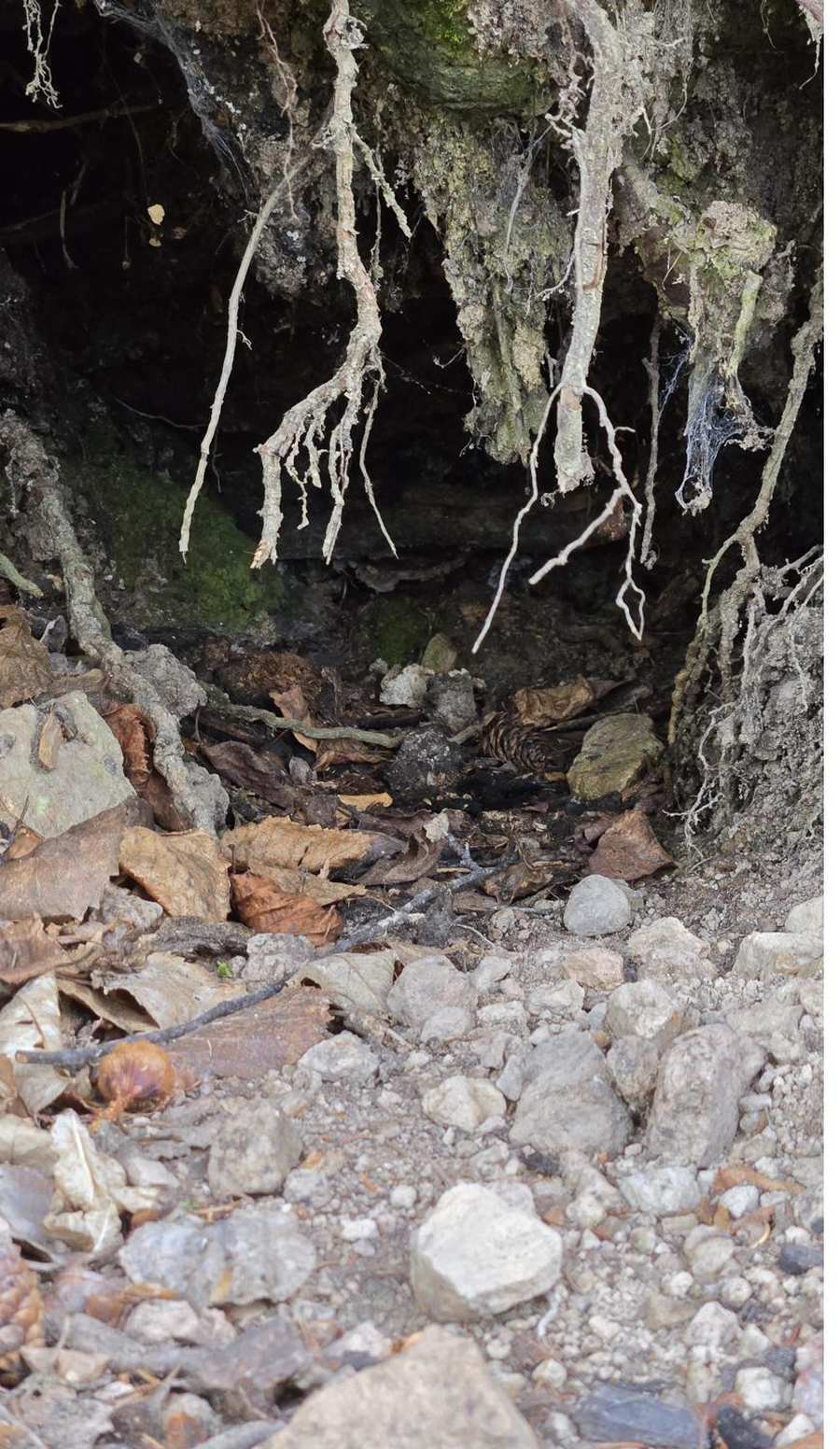
For many people this pattern has roots that reach back — into childhood, into things that happened, into things that were handed down. Anger, addiction, anxiety, violence: these are often different faces of the same thing. They are all survival responses that once made sense, still running long after the danger has passed. If that's true for you, this connects to the trauma work — you may recognize yourself there too.
There's a second layer that makes anger different from other struggles: anger can become who you are.
For some people, anger isn't a torment — it's a fuel. It provides the strength to act, the edge to compete, the anchor of a cause. Hold your anger tightly enough and it gives you something constant in a world where everything shifts. A purpose. An identity. "As long as I have this anger, I have myself."
If that's you, then every suggestion to "calm down" or "let it go" has probably sounded like a suggestion to become weaker. To become someone who gets walked on. No wonder it never landed.
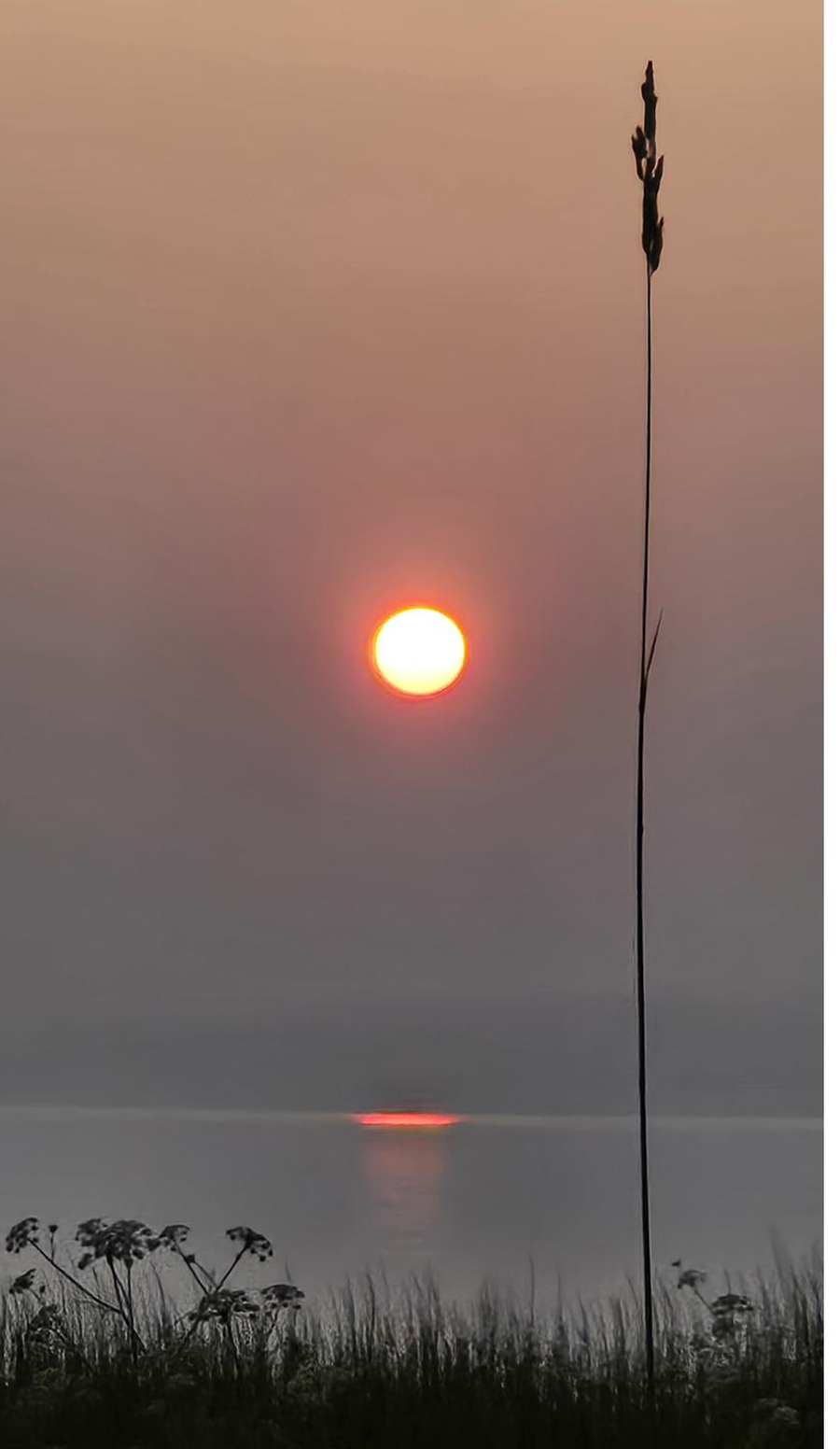
So let me say this clearly: this work is not about becoming passive. It is not about losing your fire, your edge, or your ability to stand your ground. It's about something more demanding than that — learning to direct the energy instead of being run by it. The strongest people I have worked with are not the ones who explode. They are the ones who can feel the full force of their anger and still access both their compassion and their ability to choose how to direct their power.
"Anger is energy that wants to move. If you blame it on what is outside of you, it will control you. If you own it, you will be able to use the energy in positive ways."
Anger moves in waves. It builds, it peaks, it passes. The problem is that most people don't notice the wave until it's about to break — and by then, choice is gone.
So, the work starts earlier. It starts in the body, learning to read the signals that come long before the explosion: the jaw, the chest, the heat, the shift in breath. Every signal you learn to catch is an exit ramp — a moment where a different choice becomes possible. This is a practical, learnable skill, and it changes things quickly.
But catching the wave is only the beginning. The deeper work is meeting what the anger has been protecting — the fear underneath, the old experiences that taught your body it needed armour in the first place. We go there gradually, at your pace, with the body present and a way back to safety at every step. Nothing needs to be forced. Nothing needs to be relived. As the fear underneath is met and softened, the anger has less and less work to do.
What's left isn't emptiness. You still have the energy and the strength. But now you can direct it effectively, rather than exploding it out violently.
More or less sinusoidal — builds, peaks moderately, calms, and eventually repeats.
Goes higher, hits a point of no return, then explosion — falls, perhaps to base, perhaps not, and repeats.
Flares almost instantly, with or without an explosion. May drop quickly or simmer for a while.
Never fully releases. May repeat frequently. May feel irritable and close to anger most of the time.
Builds, simmers, builds again, simmers hotter — then explodes, or just holds the tension.
What does your anger wave look like? Click or touch and drag to shape it.
This work is different from talk therapy — and different from standard anger management. Managing behaviour matters, and we will work on it. But behaviour is the surface. I work with the whole person — body, mind, emotion, and spirit — because anger that has roots needs work that reaches the roots.
The tools I draw on include Integrative Body Psychotherapy, somatic awareness, TRE, grounding practices, EMDR, parts work and more — the same approaches described on the trauma page, because so often it is the same territory. What we use, and when, depends entirely on what best fits each moment.
A short guide to working with anger — six steps for understanding where it comes from, taking responsibility for it, and learning to catch it before it builds.
Download Learning To Manage Anger
There's no wrong door. I'll be here when you are ready.
Learning To Manage Anger
Principles and Steps