
Grief

Online grief counselling across BC — a gentle, body-and-heart-centred approach with Todd Blattner, MA, CCC. Methods include somatic therapy, CBT, narrative and expressive therapy, and ritual.

The Well of Grief

Smiling is uncomfortable. Laughing hurts. Feeling happy seems far away. Life can feel gray or senseless and we can lose our sense of purpose. The pain can be real, physical, gut-wrenching. It can also be more abstract, hard to grasp.

Grief, when it comes, is always individual — uniquely ours.

It is also collective. Everyone on the planet will suffer grief, to some degree, at some point.

Look into the well. Click and drag to spin.

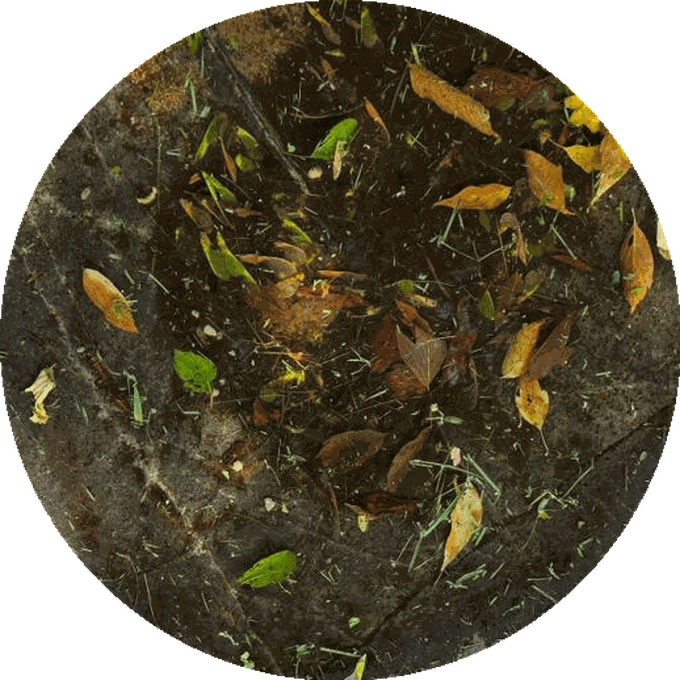
A dark, leaf-filled well of water — the well of grief
Doors of Grief

The house of grief has many doors. Each leads to different passages and different rooms, but all are openings into the domain of grief.

Sometimes we only need to explore one or two. Sometimes it is necessary to open every door and pass through the mazes within before we can fully return, renewed, to the world.

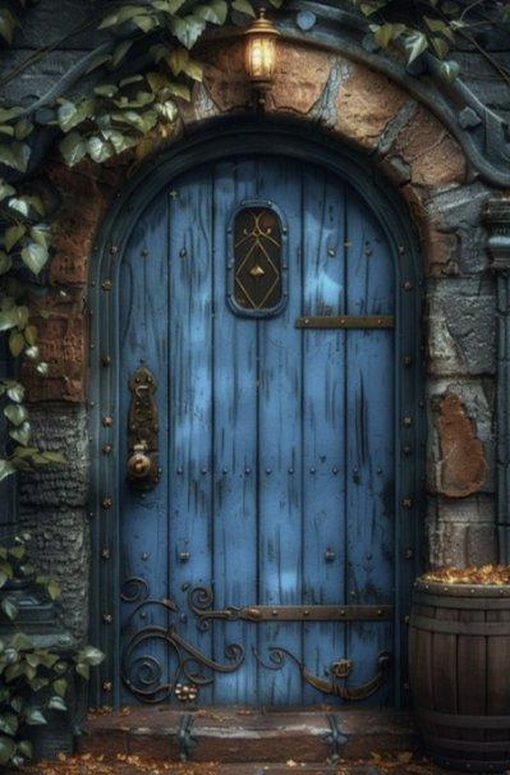
A weathered blue arched door, framed with ivy
The most immediate aspect of grief is that it is personal. It can feel like “mine” and mine alone, and it can feel lonely. We try to communicate our feelings but most people don’t know how to respond. They try to fix the feelings, or minimize them, or they get tired of hearing the same stories and just want us to get on with things. This door leads us to investigate our loneliness, isolation, and the threads of trauma and loss that are uniquely ours.
When we are special to someone, that person holds memories that make an image of us that exists nowhere else. When we lose this person we lose being seen in this special way, and we lose this shared part of ourselves. This door leads us to investigate our relationships and the images of who we are that we carry, as well as the images carried by others.
Whether we know it or not, everyone has parts that we have deemed unlovable. Like the sinners and the damned, these are our “shadow” parts, doomed to the dungeons of the subconscious. We experience this as the grief of being cut off, numbed, unable to express and feel our full emotional range. This door leads us to open communication and connection with the parts of us that are holding our pain, anger, shame and sadness.
We may hope for a happy marriage but not find it. We may expect to be healthy, and something happens, or to maintain a standard of living, but we lose our job. Many things happen that we don’t think will “happen to me.” When they do, there is a sense of betrayal, disappointment, and loss. This door brings our hidden expectations, assumptions, and judgments to the surface and gives us the choice to break free of them, or to cling to them and remain in despair.
Each new loss is like a bead, added to a thread. When we experience death, loss and trauma, we never react only to the present situation. The feelings are always a result of all the beads on the string interacting. This is why we can react so strongly at times, even when a loss is not very close to us. This door opens to passages connecting many rooms and leads to grief’s library, where all of the records are kept.
Family systems, epigenetic inheritance, and the inherent sensitivity of children are some of the ways that grief is passed from generation to generation. This grief generally doesn’t show on the surface, but it affects how we show up in the world, how we see ourselves and others, and how we experience and react to loss when it comes to us. This door leads us to investigate the grief carried by those who came before us and passed forward. Passing through this door gives us the tools to break the intergenerational chains.
Individual communities, races, cultures and countries each add their own layers to grief. Each contributes its own history, stories and worldviews, adding to the complexity and depth of feelings. This door leads us to look at the grief passed forward from our connections beyond our family. It takes us deeper into the great well of grief and suffering of the world, a weight that is a deep heritage of us all. This door leads to the treasure room of the heart, where our deep connection and compassion is activated.
The well of suffering and loss is immense and, from one perspective, endless. Whether we are aware of it or not, we are all affected by the suffering of all the beings with whom we share this world — human or otherwise. We are also affected by the loss of ecosystems, unsustainable extraction of resources, and pollution of the water, air and natural systems that sustain us. This door leads to the deepest initiation into compassion, connection, and understanding of our oneness with all that is.
Chronic Grief

After a while, if we aren’t able to find grief’s gift, it can take up residence and act like it is a part of who we are. It can become just the coloured lens through which we see our world. It can feel a lot like depression, but with more of an edge.

Sometimes we hold onto grief because we feel guilty, ashamed, or responsible. Sometimes it feels as if keeping the pain alive is the only way to keep what we lost, or to keep showing our love.

A black and white photograph of a frozen lake at dusk, hazy sun, a silhouetted spruce tree

Death and loss are final, permanent, unequivocal and uncompromising. We can become stuck, pushing against this endless wall, and it can become an unconscious part of who we are. But it is energy that removes us further from life, and love.

This is a very common path with many branches — depression, anger, violence, bitterness, revenge, hatred. If followed blindly, the path of grief can open into any of these.

Grief is a reaction to what seems to be an impossible paradox:

To be alive
Means
That we will die.

How can we love anyone or anything in a world where loss, pain and death are absolutely certain, and where, in the end, we have no control? How can we face the incredible pain and suffering that exists in this world right now, and not lose ourselves in overwhelm or despair?

The mind cannot answer this question. But the heart can.

Opening to Grief

At the most basic level, there are only two responses that we can make to grief. One is to contract, harden and hold. The other is to expand, soften, and release. One way leads to further suffering, stagnation and isolation. The other breaks us open into deeper kindness, deeper compassion, and deeper belonging.

This is not a journey of the mind. It’s not a journey with a timeline or a map. Words alone won’t be adequate. This is a heart journey, and it happens on the heart’s schedule.


Sunlight breaking through the forest canopy above a waterfall
A Different Way Through

How we find our way through the depths of grief is an individual journey, shared by everyone, the same for no one. Words won’t reach the depths, the mind can’t choose the timing, we are not in control.

If you choose to work with me, here are some of the ways in which you will work with mind, heart, body and spirit to find the deep gifts that grief has to offer:

The first task is to feel if this approach fits for you, and if you feel that working with me will fit. This generally happens in a short free consultation, but can continue in the first session.
Sometimes the narrative is clear. Sometimes there are many pieces that are hard to collect. Often, the story grows more complex as we investigate. This is a time to learn to pay attention to the body, to learn how to accept and be with uncomfortable feelings and sensations, to learn to bring compassion, gentleness and patience to your experience. This is also a time to feel seen, heard, and witnessed by another — and this is the role of the counsellor.
For many people, grief is about more than one story. Perhaps there is something current and most painfully present, but there are often also other losses contributing, and other layers, as discussed above. A string of beads of different sizes is one way to represent this.
You will be encouraged to write, draw, paint, dance, play music — do what works for you to express what you feel. Art, movement and music are very helpful ways of building a relationship with our grief that honours and accepts it and invites its gifts.
Physical movement, exercises that work with the fascia, boundaries and what you invite into your life or say “no” to, existential or “soul” work, grounding and presence, relationships and connection… Grief work can touch all aspects of life, and all of it is open. This is gentle and natural — when an opening for a new aspect of work presents itself, the option will be offered. It is always a choice how far you go and what options you work with.
Throughout the sessions you will learn, or deepen, skills of self-awareness, mindfulness, self-compassion and acceptance. You will be encouraged to use a gratitude and loving kindness practice to help your nervous system relax and to give space for your heart to process what you are holding. Expansion requires making space with expansive emotions. Gratitude and kindness are like keys to the lock.
You will learn simple rituals (like everything here, optional of course) for expression and release of grief. Rituals are an ancient way to speak the language of the heart and soul, to slow us down and to remind us of our connections with the people and world around us.
A sunlit trail arched over by a green leaf canopy

Along with these specific grief-work steps, all the other techniques and methodologies discussed on the trauma page will be interwoven into the sessions as and when necessary.

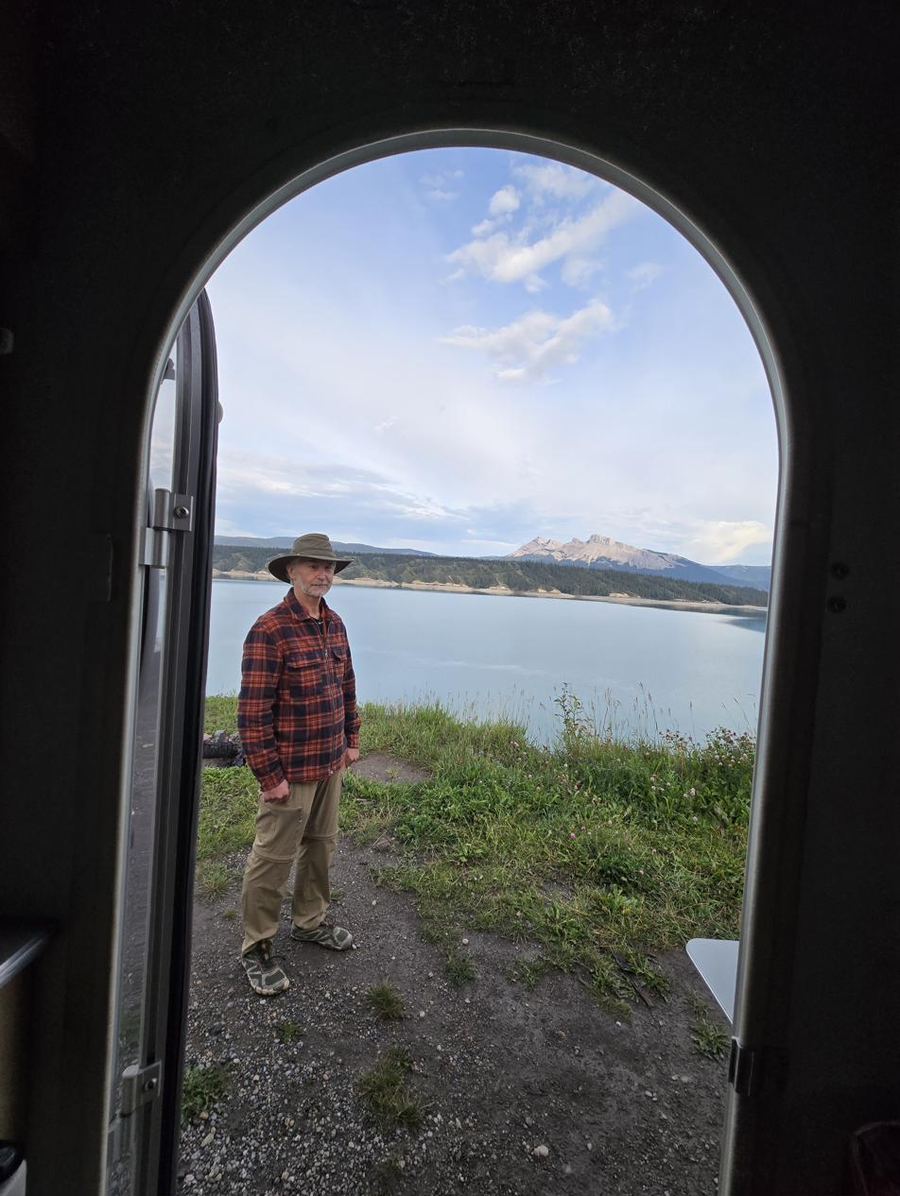
Todd standing in an open doorway, looking out over a mountain lake

There is a time when grief asks us to reach out. When you are ready, here are some options:

There’s no wrong door. I’ll be here when you are ready.

Book a Session Send a Message
Share this page
Copy link WhatsApp Email
Link copied

Grief can be a wound that will not heal, and it can also be a teacher come to guide us into the deeper mysteries of our own being. We don’t choose its coming, but we may choose the purpose that we give it. May you find the purpose that best serves you.

A Free Guided Practice

A short guided practice in four movements — arriving, touching the grief, breath as container, and widening the container — to help you meet grief in the body, gently. Available as both a text and an audio download.

Download the Practice
An open door ← Back to Work With Me